
Leather has remained a symbol of durability, craftsmanship, and timeless style for centuries. In Pakistan, leather is more than just a material, it is a heritage industry that blends traditional skills with modern design. From handcrafted leather bags and wallets to footwear and accessories, Pakistani leather products are now gaining recognition in both local and international markets.
As consumers become more conscious about quality, sustainability, and longevity, understanding leather types, leather quality, and proper leather care has never been more important. This guide by Vceela brings you everything you need to know before investing in genuine leather products in Pakistan.
Tradition Meeting Modern Responsibility.
Pakistan is among the world’s leading leather producers, with hundreds of tanneries supplying raw and finished leather globally. Today, the industry is evolving rapidly to meet international expectations.
Key Industry Shifts Shaping the Future.
1. Traceable & Ethical Leather Sourcing.
Modern supply chains are adopting digital traceability systems that track leather from livestock farms to finished products. This ensures ethical sourcing, transparency, and compliance with export standards, making Pakistani leather more globally competitive.
2. Sustainable Leather Processing.
Eco-friendly tanning methods are replacing harsh chemicals with enzyme-based solutions. Many manufacturers are also recycling leather offcuts into durable secondary materials, reducing waste and supporting a circular leather economy.
3. Skill Development & Workforce Inclusion.
Training initiatives are improving worker safety and encouraging women’s participation in leather craftsmanship, product design, and quality control, an essential step toward a socially responsible industry.
At Vceela, we support artisans and small producers who follow responsible practices while preserving traditional craftsmanship.
What Makes One Better Than Another?
Choosing the right leather product starts with understanding the material itself.
1. Full-Grain Leather.
Full-grain leather is the highest quality leather available. It retains the natural grain, making it exceptionally strong and breathable.
Over time, it develops a rich patina, enhancing its character.
Best for:
Leather bags, belts, wallets, premium footwear.
2. Top-Grain Leather
Top-grain leather is lightly sanded to remove imperfections, giving it a smooth and refined finish. It offers a balance between durability and aesthetics.
Best for:
Everyday leather accessories, handbags, office bags.
3. Suede & Nubuck.
These leathers are sanded on the surface to create a soft, velvety texture. While luxurious, they require extra care and protection from moisture.
Best for:
Fashion footwear, jackets, statement accessories.
Leather by Animal Hide: Texture, Strength & Usage.
Cowhide Leather.
The most commonly used leather due to its thickness and strength. It is ideal for products requiring long-term durability.
Goatskin & Sheepskin.
Goatskin is lightweight and abrasion-resistant, while sheepskin is exceptionally soft and flexible.
Best for:
Gloves, soft bags, garments, linings
Exotic & Specialty Leathers.
Includes crocodile-patterned, ostrich-embossed, or textured leathers used for luxury and statement pieces.
Faux vs. Genuine Leather: What’s the Difference?
Faux (Vegan) Leather.
Made from PU or PVC, faux leather mimics the appearance of real leather and is cruelty-free and affordable. However, it lacks breathability and long-term durability.
Genuine Leather.
Real leather ages beautifully, lasts for years, and offers superior strength and comfort, making it a better long-term investment.
How to Choose the Right Leather Product.
When buying leather bags or accessories online in Pakistan, consider:
Durability: Full-grain or top-grain leather.
Luxury feel: Nappa or lamb leather.
Budget-friendly options: Faux leather or corrected grain.
Climate suitability: Chrome-tanned leather resists humidity better than vegetable-tanned leather.
Essential Leather Care Tips for Pakistan’s Climate.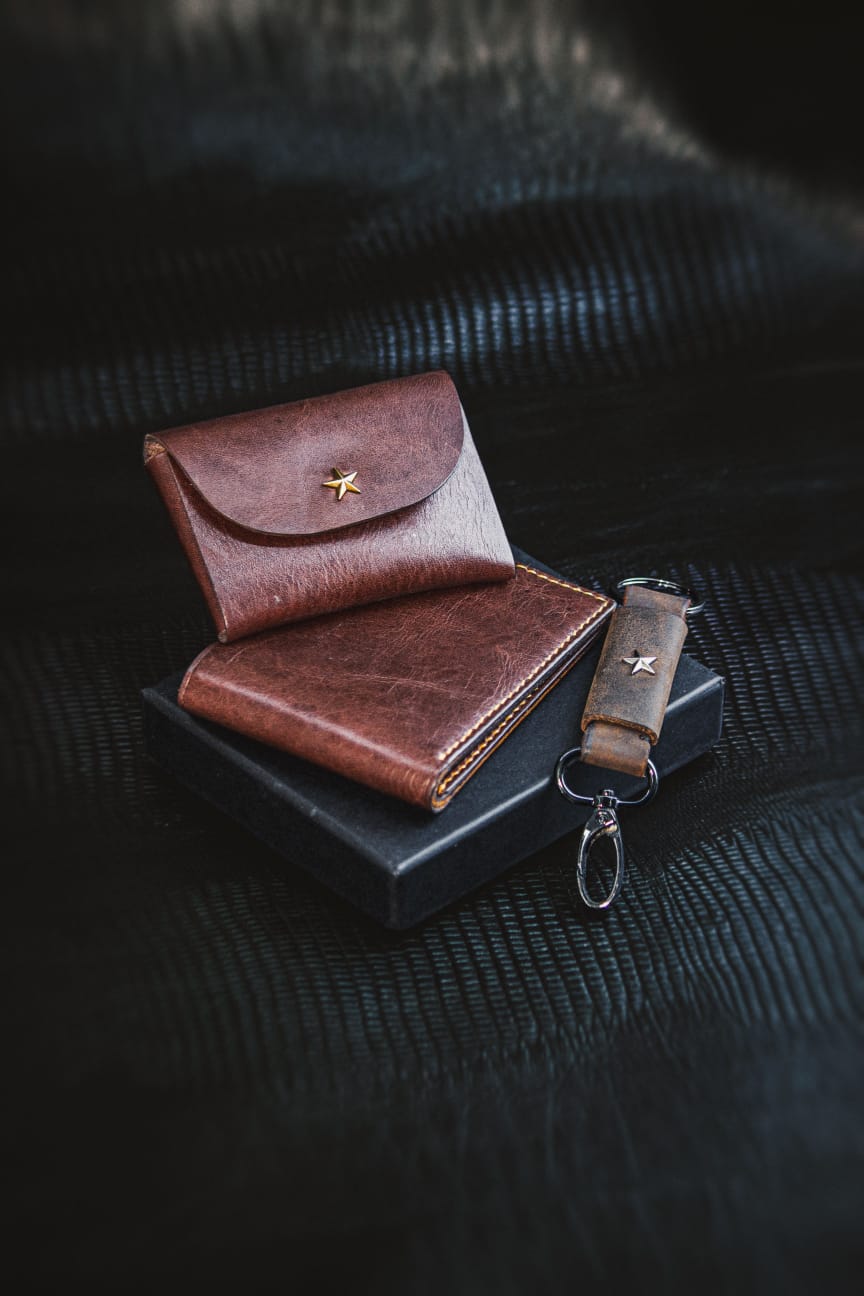
Pakistan’s heat, dust, and monsoon humidity can damage leather if not cared for properly.
Do This ✅
- Store leather items in breathable cotton bags.
- Stuff bags with paper to maintain shape.
- Wipe dust regularly with a dry cloth.
- Condition leather 2–3 times a year.
Never Do This ❌
- Store leather in plastic covers.
- Use direct heat or hair dryers.
- Wash leather with water or detergent.
- Over-condition or use cooking oil.
Water Damage Emergency Steps.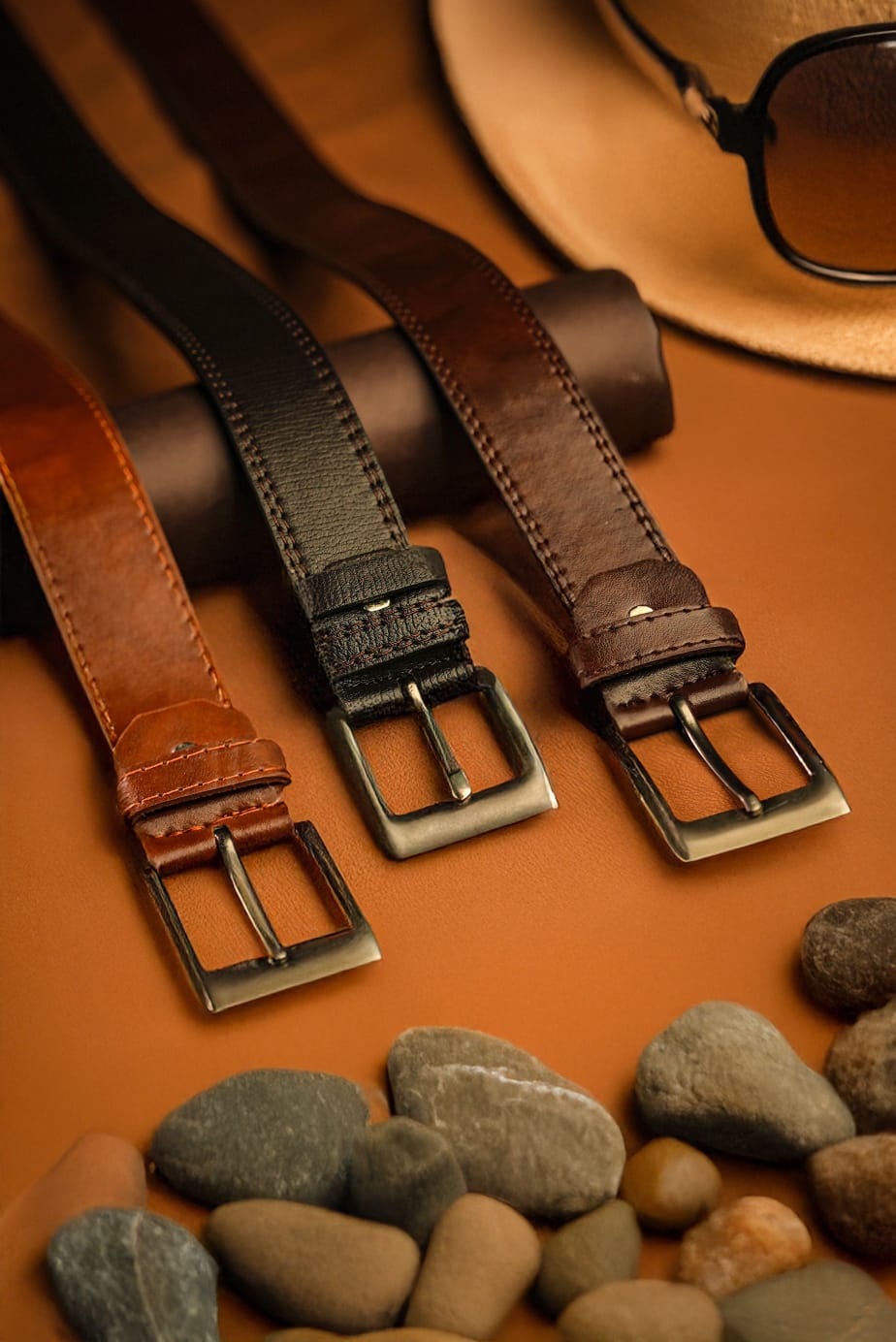
If leather gets wet:
- Blot gently with a dry towel.
- Air-dry away from sunlight.
- Apply conditioner once fully dry.
Common Leather Mistakes to Avoid:
- Leaving leather in hot cars during summer.
- Wearing the same leather shoes daily.
- Using waxy products on fine leather bags.
- Ignoring sweat or salt stains.
Why Choose Handcrafted Leather from Vceela?
At Vceela, we connect you directly with skilled artisans who create handcrafted leather products using authentic materials and ethical practices. Each piece reflects craftsmanship, culture, and conscious design made to last, not to be replaced.
Leather That Ages With You.
Real leather tells a story through every crease, mark, and patina. With the right knowledge and care, a quality leather bag or accessory can last decades become more beautiful with time.
If you’re looking to invest in authentic leather bags in Pakistan, explore Vceela’s curated collection and experience craftsmanship that goes beyond trends.
Explore timeless leather pieces designed for everyday style. Visit www.vceela.com