
There is something special about holding a handmade object. You can feel the hours in it. You can see the patience in it. You can sense the story behind it.
In 2026, when mass-produced products fill our markets and screens, the famous traditional crafts of Pakistan still stand tall not as museum pieces, but as living art you can still buy, wear, and place in your home today. Across villages, deserts, mountains, and old city streets, Pakistani artisans continue to shape clay, carve wood, weave threads, and paint stories just as their ancestors did thousands of years ago. These crafts are not just surviving they are still thriving.
Why Traditional Crafts Still Matter in Pakistan Today.
Pakistan’s craft history stretches back to the Indus Valley Civilization (3300–1300 BCE). Excavations revealed pottery, beads, and metalwork that show how deeply craftsmanship is rooted in this land. But this is not just history it is still a living reality.
Today, traditional crafts continue to matter because:
• Millions of rural families depend on cottage industries.
• Women artisans contribute significantly from their homes.
• Generational skills are passed from parents to children.
• Handmade products remain symbols of identity and pride.
However, artisans face serious challenges, including cheap factory imports, rising raw material costs, limited digital access, and middlemen who take most of the profit. When we buy authentic handmade crafts, we are not just decorating our homes, we are protecting knowledge that risks disappearing in a mass-produced world.
1. Multan Blue Pottery, The Art of Blue and White.
In southern Punjab, especially in Multan, blue pottery has become an artistic signature. Influenced by Persian and Turkish styles, it has developed its own identity over centuries. The process involves hand-shaping clay, applying a white glaze, painting intricate cobalt blue motifs, and firing the piece at high temperatures.
Today, you can still buy: 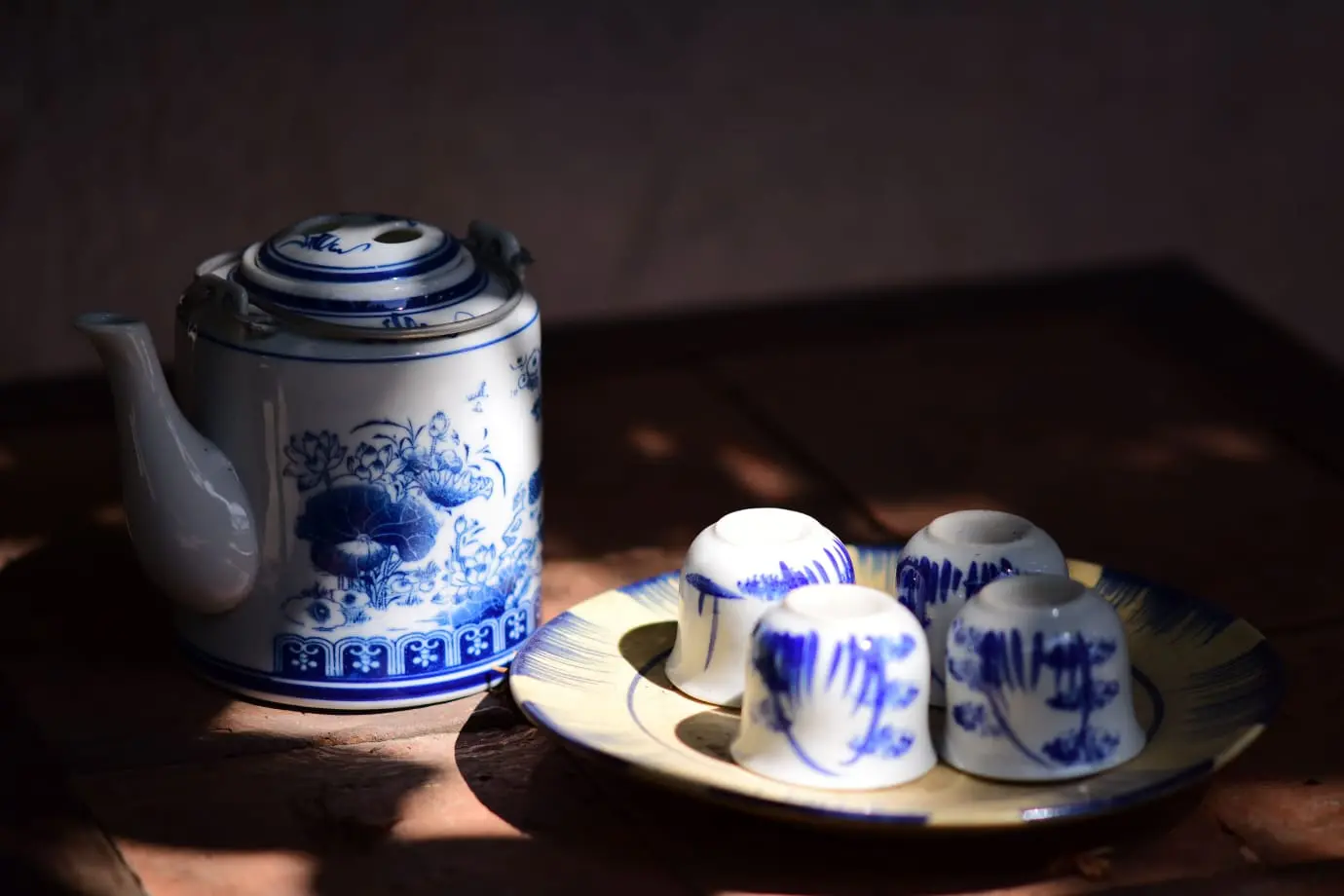
• Tea sets.
• Wall plates.
• Vases.
• Decorative lamps.
• Everyday ceramic items.
These pieces are both functional and artistic, perfect for modern homes that want a cultural touch. Slight imperfections are often a good sign they prove the item is handmade.
2. Sindhi Ajrak & Block Printing, Cloth with a Civilization Inside.
Ajrak is more than fabric, it is heritage deeply rooted in Sindh. Historically connected to Mohenjo-Daro, Ajrak is created through a long and detailed block-printing process using hand-carved wooden blocks, natural dyes, repeated stamping, and sun-drying.
You can still buy Ajrak in many forms:
• Shawls.
• Dupattas.
• Block-printed shirts.
• Contemporary stitched outfits.
Young designers now combine Ajrak with modern cuts, making it wearable for students, creatives, and professionals. Buying authentic Ajrak directly supports rural block printers who still work entirely by hand.
3. Khussa, The Shoe That Never Went Out of Style.
From Mughal courts to modern weddings, khussas has survived every fashion trend. Traditionally made in cities like Lahore and Bahawalpur, khussas are hand-stitched leather shoes often embroidered with silk threads, mirrors, or zari work.
In 2026, khussas are styled with jeans, paired with minimal kurtas, worn at universities even at weddings, and featured in fusion fashion shoots. They prove that tradition can adapt without losing its essence.
4. Camel Skin Lamps, Desert Light from Multan.
In the deserts near Multan and Cholistan, artisans transform camel hide into glowing art. Camel skin lamps are created by cleaning and stretching the hide, molding it over a frame, hand-painting floral motifs, and allowing it to dry naturally.
When lit, these lamps give a soft, warm glow that feels almost like a desert evening. They are unique to southern Punjab and are admired globally as statement décor pieces.
5. Wood Carving, Strength and Beauty in Sheesham.
The city of Chiniot is famous for extraordinary wood craftsmanship. Using Sheesham and walnut wood, artisans carve floral patterns, geometric Mughal-inspired designs, detailed furniture panels, and decorative frames.
Unlike machine-cut furniture, hand-carved pieces carry subtle variations that make every item unique. They are durable, timeless, and artistic.
6. Hand-Knotted Carpets, Threads That Take Months.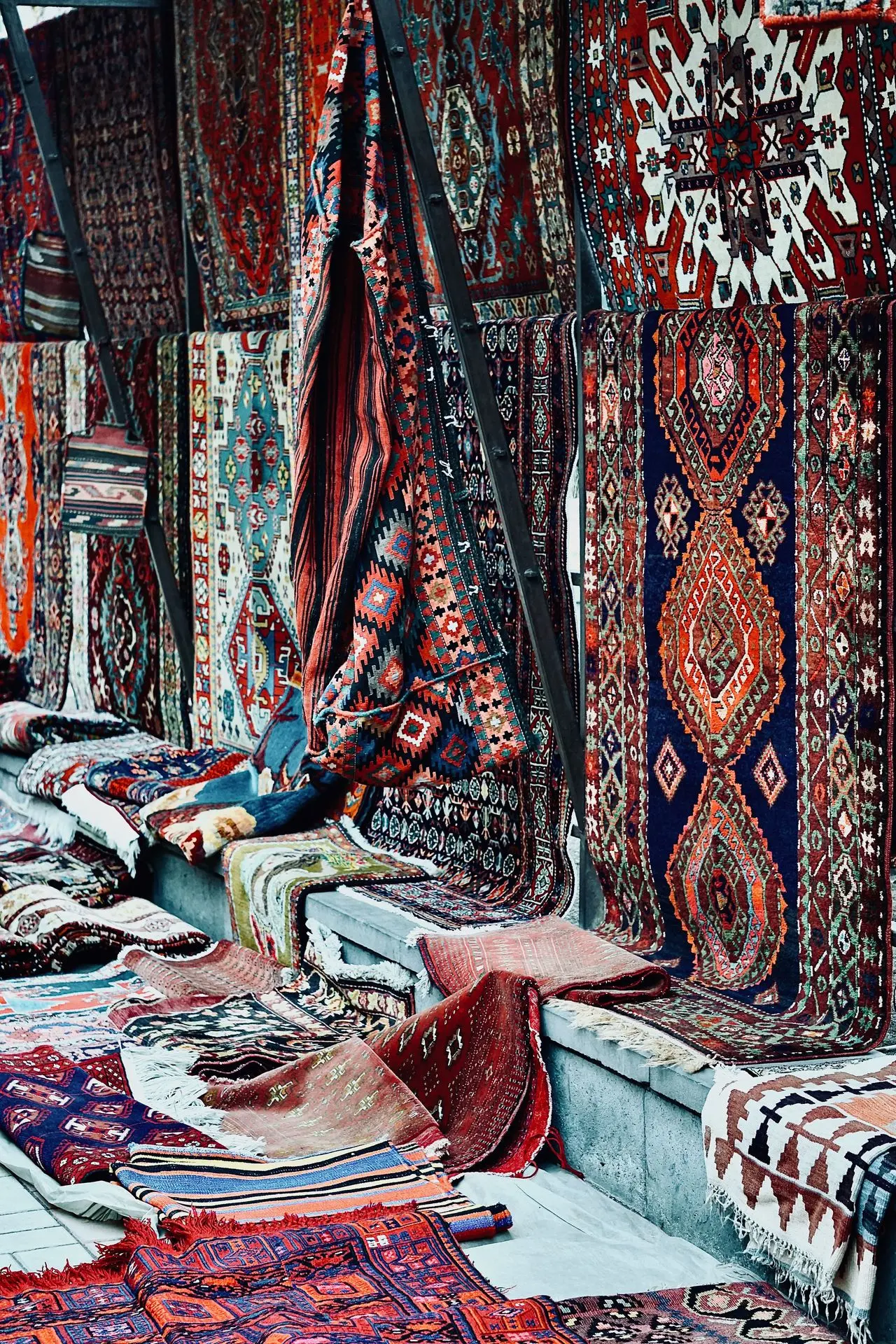
Carpet weaving flourished under Mughal influence, especially in Lahore. Today, hand-knotted carpets are woven across Punjab, Baluchistan, and northern regions.
These carpets:
• Take months to complete.
• Contain thousands of tiny knots.
• Feature Persian-style patterns.
• Last for decades.
Buying one means investing in craftsmanship measured in time and patience.
7. Brass & Copper Work, Metal with Memory.
In historic markets of Peshawar, artisans continue the rhythmic craft of hammering metal into functional art. Brass and copper are heated, shaped, and engraved by hand into trays, bowls, jugs, and decorative plates.
Over time, these pieces develop a rich patina, adding character and depth to their beauty.
8. Rilli & Handwoven Textiles, Stories Stitched by Women.
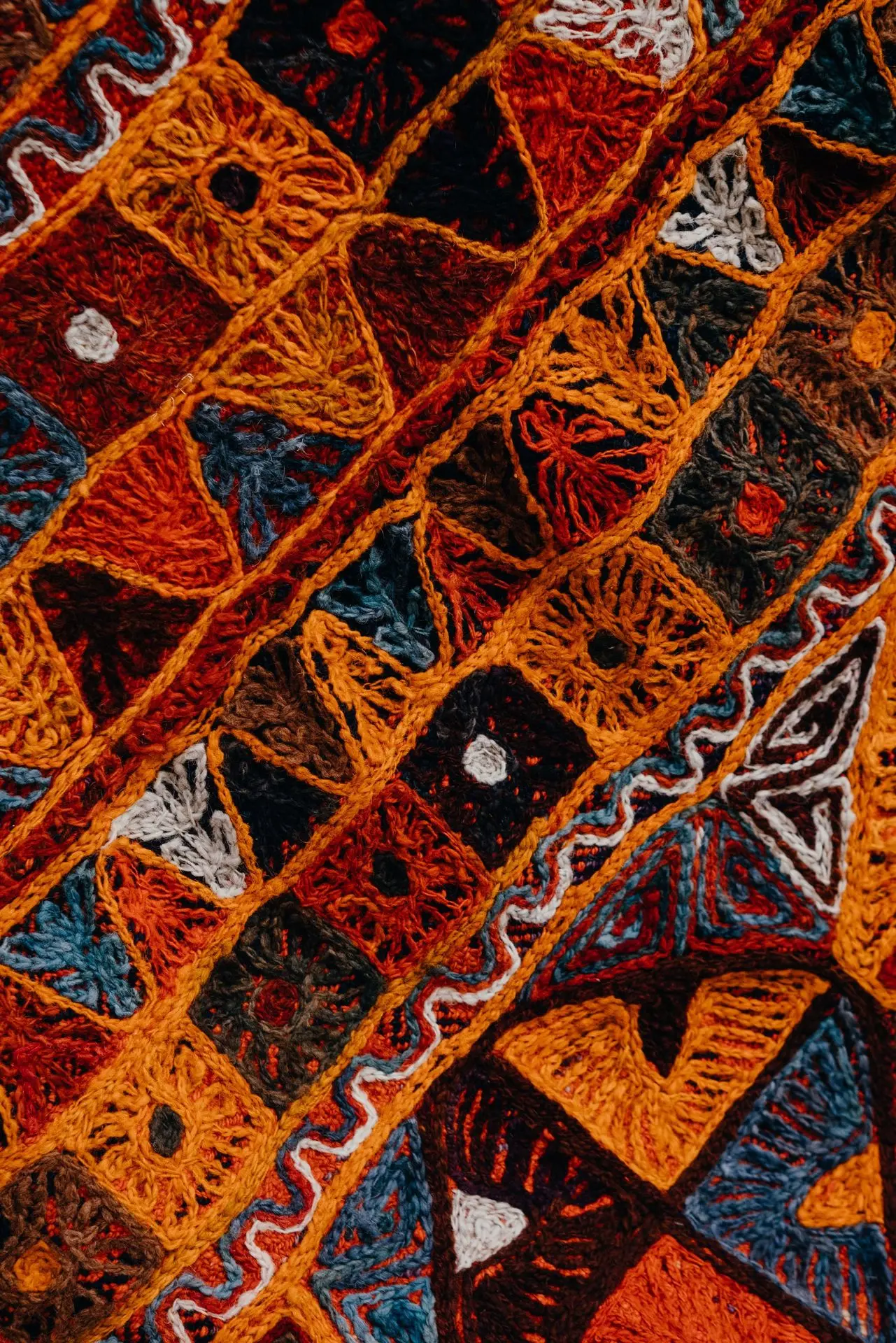
Rilli quilts originated from necessity. Nomadic women stitched leftover fabric pieces into vibrant geometric patterns. What began as survival turned into a powerful artistic expression.
Today, Rilli textiles are used as:
• Bed covers.
• Wall hangings.
• Cushion covers.
• Table runners.
Many women artisans in Sindh and southern Punjab depend on textile crafts for income, making each purchase a direct contribution to women-led households.
9. Peshawari Chappal Rugged, Timeless Footwear.
The Peshawari Chappal originates from Khyber Pakhtunkhwa and remains one of Pakistan’s most durable handmade shoes. Made from thick leather with strong soles, it pairs traditionally with shalwar kameez but is now styled with Western outfits as well.
Simple, strong, and authentic, it represents rugged craftsmanship at its finest.
Why Supporting Artisans Is Urgent.
Despite global admiration, many artisans struggle because machine-made imports are cheaper, younger generations hesitate to continue family crafts, and online selling feels complicated.
However, digital platforms are helping bridge the gap between artisans and conscious buyers. When buyers connect directly with makers without heavy middlemen, artisans earn more fairly and can continue their craft with dignity.
Platforms like Vceela focus on:
• Real craftsmanship.
• Small sellers.
• Cultural preservation.
It is not just about shopping; it is about sustaining heritage.
Tradition and Modern Style Can Coexist.
One of the most beautiful shifts in 2026 is that young Pakistanis are reclaiming tradition. They are styling Ajrak with sneakers, using blue pottery in minimalist homes, wearing khussas at university, decorating apartments with camel lamps, and mixing Rilli textiles with modern furniture.
Heritage is no longer old-fashioned. It is powerful. It is aesthetic. It is identity.
Buy with Meaning.
A blue pottery plate carries Multan’s history.
• A khussas carries Punjab’s legacy.
• A Rilli quilt carries a woman’s resilience.
• A carpet carries months of labor.
These crafts are not just products, they are hands, villages, and generations woven into objects.
So, the next time you decorate your home, buy a gift, or choose an outfit, pause. Choose something shaped by human hands because when you support local artisans, you are not just making a purchase you are becoming part of Pakistan’s living story.
Visit vceela.com and explore our beautifully curated Traditional Crafts category of authentic, handcrafted pieces you’ll truly love.